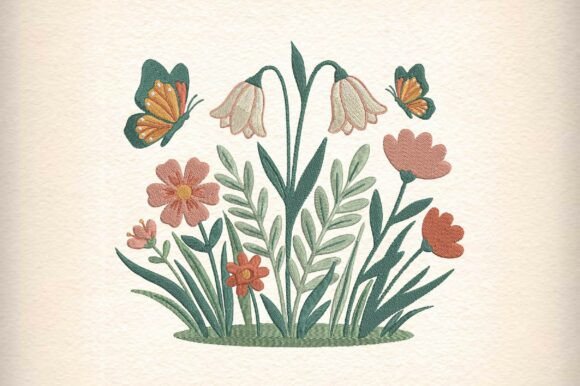
Spring Flower Garden Embroidery Design
A Practical Review for Small Business Merch & Branded Patches
As an embroidery designer who’s digitized and stitched thousands of commercial projects—from café aprons to boutique tote bags—I approached the Spring Flower Garden Embroidery Design with a specific question: Does this floral garden motif translate into trustworthy, scalable brand expression—or is it purely decorative? The answer matters deeply when you’re investing in custom apparel, embroidered patches, or product labeling for your small business.
First Impression: Elegant, Friendly, and Intentionally Handmade
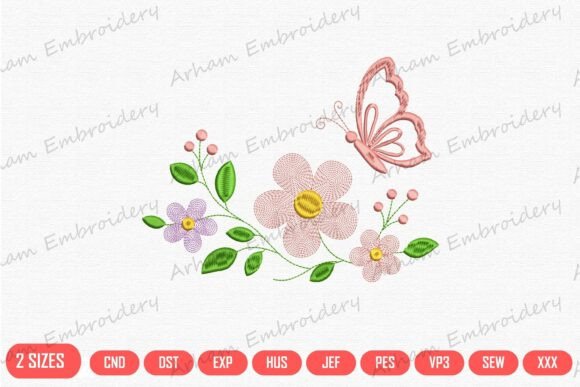
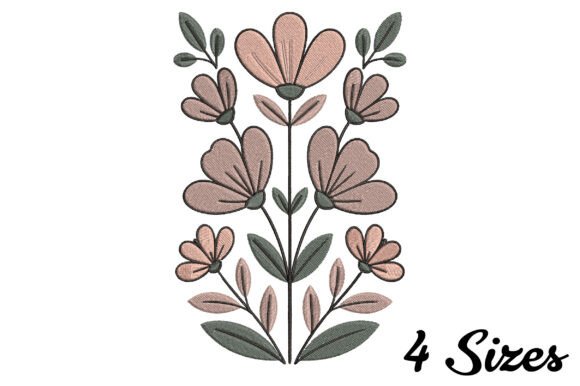
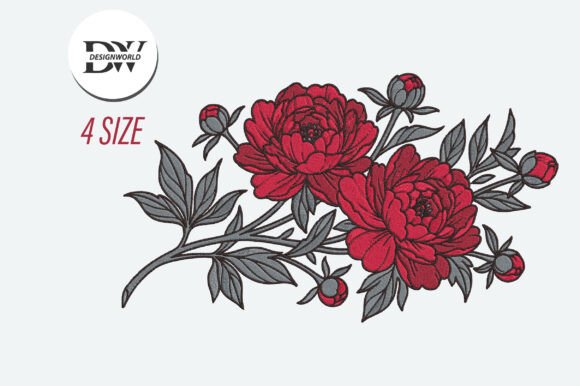
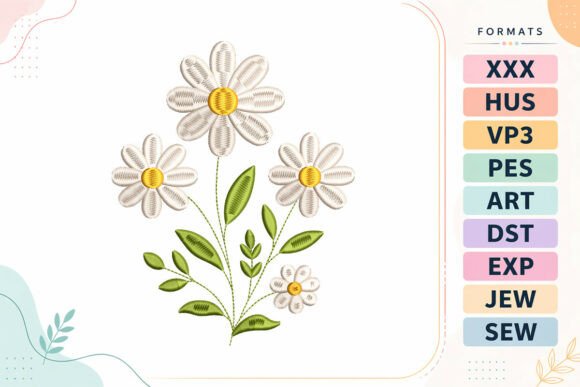
Right away, the Spring Flower Garden Embroidery Design reads as elegant yet approachable—a rare balance. Blooming flowers, graceful butterflies, and fresh greenery suggest natural beauty without overwhelming formality. It leans neither ultra-modern nor vintage-rustic, making it ideal for businesses that want warmth and professionalism in equal measure: think florists, artisan bakeries, holistic studios, pet wellness brands, or independent boutiques. This isn’t a cartoonish floral—it’s refined enough for staff uniforms but expressive enough for handmade product tags.
Real-World Performance Across Business Applications
The Spring Flower Garden Embroidery Design shines where visual storytelling meets durability:
- Embroidered patches: Works beautifully as a sew-on or iron-on badge for jackets, tote bags, or product packaging. Its layered elements (flowers + butterflies + foliage) create depth without excessive stitch density—key for clean patch edges and long-term wear.
- Staff uniforms & aprons: As a chest accent or sleeve detail, it adds charm without sacrificing legibility. On chef aprons or retail smocks, it signals care and craft—reinforcing brand identity through tactile quality.
- Cap embroidery: Best placed on the front panel or side gusset—not the curved bill—where spacing and proportion stay balanced. Avoid shrinking it below 2.5 inches wide; delicate butterfly wings and fine stems need breathing room.
- Tote bag design & product labels: Scales well as a focal mark on cotton canvas or linen blends. Paired with minimalist typography, it elevates perceived value—especially for Etsy sellers offering handmade goods.
- Customer gifts & event merch: Appears thoughtful and seasonal without feeling dated. A spring launch, local market booth, or loyalty program gift feels more personal with this nature-inspired motif.
Where to Use the Design Thoughtfully
This isn’t a one-size-fits-all embroidery file. For best results in commercial embroidery, proceed with awareness:
- Avoid ultra-small patch sizes (<2 inches): Delicate outlines and interwoven greenery may blur or lose definition. Always test at your target size before bulk production.
- Cap fronts demand careful placement: Curved surfaces compress detail. Prioritize center-front positioning and confirm thread color contrast against fabric—especially on dark uniforms.
- High stitch density areas (like clustered flower centers or overlapping leaves) require proper stabilizer selection. Lightweight knits or textured fabrics need extra support to prevent puckering.
- Frequent washing (e.g., restaurant aprons or daycare staff shirts) means choosing high-quality threads and dense underlay. Review how the design handles fill transitions—smooth gradients hold up better than tight satin borders over time.
Brand Identity Impact: More Than Just Pretty Stitches
For small businesses, every embroidered element is a silent ambassador. The Spring Flower Garden Embroidery Design strengthens brand identity by evoking authenticity, growth, and attention to detail—qualities customers associate with trusted handmade products. When stitched consistently across aprons, tote bags, and packaging, it builds visual recognition faster than text-only logos. It also invites emotional connection: a customer receiving a gift bag with this design feels the care behind the brand—not just the product.
Crucially, it avoids looking generic. Unlike mass-produced clipart florals, this machine embroidery design carries compositional rhythm and intentional negative space—traits that signal professional digitizing and elevate perceived product value. That matters whether you’re selling $45 ceramic mugs on Etsy or outfitting a 12-person creative studio.
Essential Embroidery Designer Notes Before You Stitch
Before committing to production, run these checks—whether you’re a solo crafter or running a full-service embroidery shop:
- Test the digital embroidery file in black and white first—this reveals contrast issues and hidden density traps.
- Verify how it renders at your smallest intended size (e.g., 1.75” for cap fronts or 2” for woven labels).
- Review thread color recommendations against your fabric palette—especially for light/dark contrast on uniforms.
- Inspect spacing between elements: Are butterfly wings too close to flower petals? Will stems read clearly on textured twill?
- Confirm hoop size compatibility and stabilizer requirements—some Floral Garden motifs need multi-layer backing for stability.
- Always stitch a physical sample on your actual fabric—not just a mockup—to assess drape, sheen, and texture interaction.
- Create a printable mockup for client approval, especially if pairing with other design assets like logos or typography.
- Compare it beside your existing branding: Does it harmonize—or compete—with your color scheme, voice, and audience expectations?
- Confirm commercial licensing applies to your use case—Spring Flower Garden Embroidery Design must be cleared for resale, branded merchandise, and digital distribution if used on Etsy or wholesale channels.
In short, the Spring Flower Garden Embroidery Design isn’t just another floral pattern. It’s a versatile, business-ready embroidery file that supports authenticity, consistency, and craftsmanship—when applied with intention. Whether you’re launching small business merch, refreshing staff uniforms, or building a cohesive line of embroidered goods, this design earns its place not just in your library—but in your brand story.