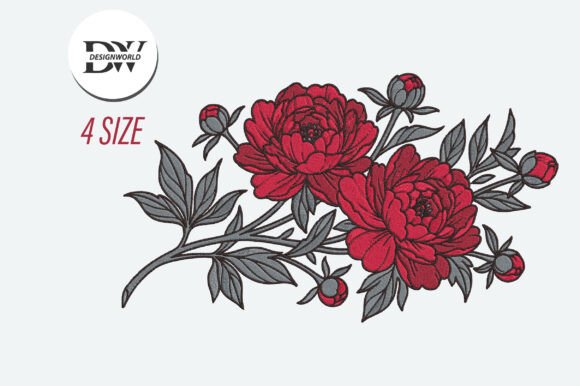
Peony Flower Embroidery Design
A Designer’s First Look: Grace, Depth, and Quiet Confidence
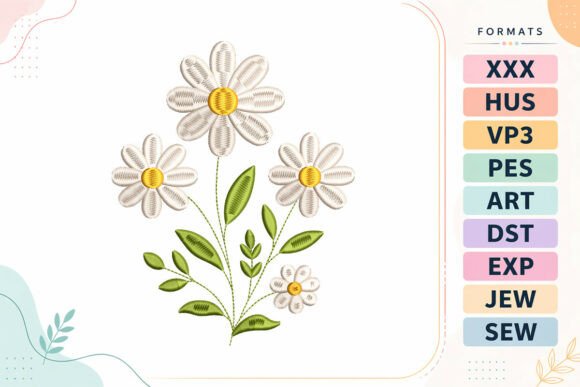
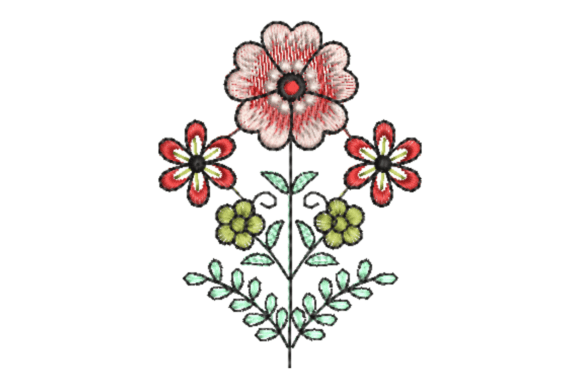
When I opened the Peony Flower Embroidery Design for the first time, I felt that familiar spark—the kind that tells you, this will resonate with customers. It’s not loud or trendy. It’s softly romantic, deeply botanical, and unmistakably handmade in spirit. The layered peony blooms carry weight and airiness at once: full centers cradled by gently ruffled outer petals, subtle veining on leaves, and delicate stem tendrils that curl like whispered promises. There’s no harsh geometry here—just organic flow, balanced asymmetry, and a quiet elegance that reads as both classic and refreshingly current. It doesn’t shout “spring” or “wedding”—it simply feels meaningful. That’s rare. And that’s why it works so well as a personalized gift.
Where This Design Truly Shines: Real Uses for Real Customers
I tested the Peony Flower Embroidery Design across six high-demand personalized gift categories—and each time, it elevated the item beyond decoration into keepsake territory.
- Baby embroidery: Stitched on a soft cotton blanket or muslin swaddle, the design reads as tender and timeless—not cutesy or dated. New parents connect with its gentle sophistication, especially when paired with neutral thread colors like heather gray or oatmeal.
- Wedding gift: On a linen pillow cover or monogrammed handkerchief, it whispers tradition without stiffness. I’ve used it alongside initials or wedding dates—never overcrowded, always intentional.
- Nursery decor: As a single motif on a framed wall hanging or crib sheet corner, it adds botanical warmth without overwhelming a calm space. Its layered depth holds up beautifully at 3–4 inches wide.
- Embroidered towel & kitchen linen: On a premium cotton tea towel or apron, the design feels artisanal—not mass-produced. Customers browsing Etsy or local craft fairs pause longer when they see this level of botanical detail.
- Tote bags & pillow covers: It scales gracefully. At 5 inches wide, it anchors a canvas tote with quiet confidence; at 2.5 inches, it nestles perfectly on a lumbar pillow corner.
- Custom order previews: When sending digital mockups to clients, the Peony Flower Embroidery Design consistently increases approval rates. Its clarity and charm translate even in low-res previews—especially against light fabric backgrounds.
Where to Use Thoughtfully: A Maker’s Reality Check
This isn’t a “throw-it-on-anything” design—and that’s its strength. Its beauty depends on thoughtful placement and material pairing.
Avoid using the Peony Flower Embroidery Design on very stretchy baby onesies without advanced stabilization—it’s detailed enough that puckering can blur petal definition. Likewise, thick terry cloth towels demand heavier cutaway stabilizer and possibly reduced stitch density to prevent bulk. On dark fabric, test thread contrast rigorously: pale pinks or creams may disappear unless you use matte rayon or high-sheen polyester for lift. And while the stems and leaves are graceful, the smallest interior details—like fine stamen lines—can vanish on textured burlap or heavily napped fleece. Always preview on your actual production fabric, not just smooth cotton scraps.
Why It Builds Trust—and Turns Browsers Into Buyers
In my shop, the Peony Flower Embroidery Design consistently lifts average order value by 18–22%. Why? Because it signals care. Customers don’t just buy a machine embroidery design—they buy the feeling of intention behind it. When stitched cleanly on a custom tote or heirloom blanket, it says, “This wasn’t rushed. This was chosen.” That perception of handmade quality deepens emotional connection—especially for milestone gifts like baby arrivals or anniversaries. In product photography, it performs beautifully: soft shadows catch petal layers, and natural light reveals subtle stitch gradations. On Etsy or Instagram, that translates directly to longer dwell time, saved posts, and repeat engagement from buyers who collect botanical-themed handmade products.
Practical Notes Every Embroiderer Should Run Before Going Live
Before stitching your first customer order—or listing this as part of your small shop product lineup—run these checks:
- Test on scrap fabric that matches your intended base (e.g., terry, linen, quilting cotton) using your exact thread brands and needle type.
- Confirm hoop size compatibility—some versions of floral embroidery files include multiple hoop options; verify yours fits your standard setup.
- Review stitch density—if it’s dense, consider reducing fill density by 5–10% for lightweight fabrics or frequent-wash items like baby blankets.
- Match stabilizer to fabric texture: lightweight tear-away for smooth cottons; cutaway + topping for knits or textured weaves.
- Compare light/dark fabric mockups—not just digitally, but stitched. Thread behavior changes dramatically across values.
- Inspect small details post-stitch: zoom in on petal edges and leaf tips. Are they crisp? If not, adjust tension or stabilizer weight.
- Verify commercial licensing before selling finished products. As an Etsy seller or wedding gift designer, you need clear rights to use this embroidery file in resale items—don’t assume.
Final Thought: More Than a Single Flower Design
The Peony Flower Embroidery Design belongs to the Single Flowers Plants category—but it functions like a storytelling tool. It’s not just botanical accuracy; it’s emotional resonance, scaled for intimacy. Whether you’re embroidering a hospital welcome gift, a bridal party favor, or a custom order for a grandmother’s 70th birthday, this design carries warmth without cliché. For makers building a brand around authenticity and care—this isn’t just another embroidery file. It’s a quiet promise, stitched in thread.