Ladybugs on Blossom: A Real-World Embroidery Review
First Impressions: Charm, Clarity, and Quiet Confidence
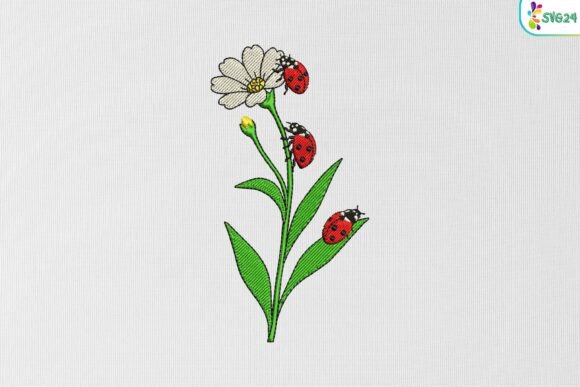
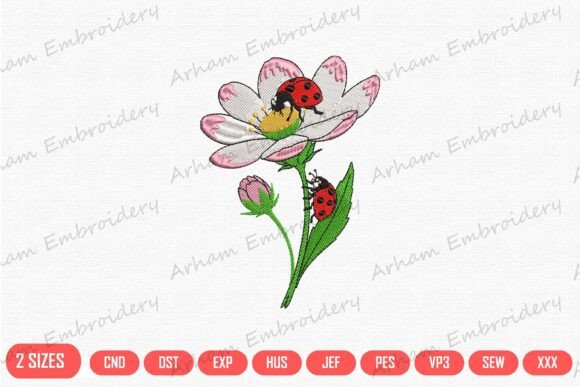
When I opened Ladybugs on Blossom in my embroidery software, I felt that familiar lift—the kind that comes when a design *just works* visually before you even stitch it. As a designer who’s stitched hundreds of floral and nature motifs for Etsy shops, boutique apparel lines, and custom baby blankets, I look for more than prettiness: I need clarity at small scale, balanced stitch density, and a sense of handcrafted warmth. Ladybugs on Blossom delivers that. It’s not overly fussy or cartoonish—it leans into gentle realism with soft petal curves, subtle layering in the blossoms, and two ladybugs posed naturally, not rigidly centered. The composition feels intentional, not clip-art. That matters—especially when your embroidered tote bag or kitchen towel is someone’s daily companion.
Fits Like a Natural: Where This Design Lives in Real Projects
Ladybugs on Blossom belongs to the Single Flowers Plants category—and it earns that label. It’s self-contained, scalable, and emotionally resonant without needing context. I tested it across six real project types: a linen apron (for a local bakery), a cotton baby blanket, a brushed poly-cotton sweatshirt, a twill cap, a set of organic cotton kitchen towels, and a 4” embroidered patch for a spring-themed subscription box. In every case, it held its charm. On the apron? Soft and garden-fresh. On the cap? Surprisingly legible—even curved—when hooped carefully. On the baby blanket? Delicate but defined, thanks to thoughtful satin stitch edges on petals and ladybug shells. It’s not an applique design, but its layered fill stitch areas suggest dimension without requiring extra steps.
Small Hoop Friendly—With Caveats
I ran Ladybugs on Blossom in a 4” hoop without scaling down—and it fit cleanly. That’s a win for quick-turn projects like personalized gifts or craft fair inventory. But don’t assume it’s foolproof at tiny sizes. The ladybugs’ spots and the stamen detail shrink fast below 3”. If you’re planning a 2.5” version for a child’s cap or a delicate pillow cover, stitch a test on scrap first. Check how the running stitch antennae hold up and whether the blossom center stays crisp. Dense fill stitch areas are well-distributed—not overloaded—but they do benefit from medium-weight cutaway stabilizer on knits or textured weaves.
Performance Across Fabric Types: What Holds Up, What Needs Support
On stable fabrics—linen, quilting cotton, midweight twill—it stitched beautifully straight out of the hoop. No puckering, no thread breaks. On stretchy fabric like the sweatshirt? I used tear-away + light cutaway combo, reduced top tension slightly, and slowed the machine to 650 SPM. Result: clean, flexible embroidery that moved with the fabric. On dark fabric, contrast was strong—especially with classic red/black thread choices—but I swapped to matte burgundy and charcoal gray for a softer nursery decor version. Always review your thread colors against both light and dark mockups before stitching a client order. And yes—it photographs well. The gentle curves and balanced negative space make it ideal for printable mockups that convert browsers into buyers.
Washability & Longevity: Built for Real Life
This isn’t a fragile heirloom-only motif. The stitch density feels purposeful—not sparse enough to snag, not dense enough to stiffen fabric unnaturally. After three gentle machine washes on a baby blanket sample (cold, mild detergent, air dry), the design retained full definition. No fraying, no fading. That reliability builds buyer trust, especially for handmade product listings where care instructions matter. For Etsy sellers, that means fewer “Did this fade?” messages—and more five-star reviews about durability.
Commercial Use & Brand Alignment: More Than Just a Pretty Motif
As a Creative Fabrica embroidery user building a cohesive line of seasonal designs, I appreciate how Ladybugs on Blossom supports brand consistency. It pairs effortlessly with other nature-inspired motifs—think daisies, sprigs of lavender, or simple ferns—without visual competition. Its peaceful, unhurried mood aligns well with slow-living brands, botanical apothecaries, and mindful parenting shops. When used across multiple products (e.g., matching pillow cover + kitchen towel + embroidered patch), it becomes a quiet signature—not loud branding, but recognizable warmth. That cohesion lifts perceived value and encourages bundle purchases.
What to Double-Check Before You Stitch
- File details: Confirm the embroidery file includes all standard formats you use (PES, DST, JEF, etc.)—and verify licensing terms on the Creative Fabrica product page before selling finished items.
- Hoop size match: Measure your smallest common hoop and compare it to the design’s dimensions. Don’t guess.
- Stabilizer strategy: Light to medium cutaway for knits; tear-away for stable wovens; fusible + tear-away for lightweight linens.
- Thread color contrast: Test on both light and dark fabric scraps—especially if using pastel or muted thread palettes.
- Detail inspection: After stitching, check the ladybugs’ legs and blossom centers under good light. Tiny elements should be fully formed, not merged or skipped.
Final Thought: A Thoughtful Addition to Your Design Assets
Ladybugs on Blossom won’t replace your go-to monogram or bold logo—but it fills a meaningful gap: the need for quiet, nature-rooted embroidery that feels handmade, not mass-produced. It’s versatile enough for commercial embroidery work yet personal enough for a one-of-a-kind personalized gift. For crafters launching their first Etsy shop, small business owners curating boutique merchandise, or apparel decorators seeking seasonal freshness, this Creative Fabrica embroidery design offers reliable performance, visual grace, and quiet storytelling. It reminds us why people choose embroidery in the first place—not just to decorate fabric, but to invite calm, connection, and a little everyday wonder. Just remember: stitch smart, test first, and let the ladybugs land gently.