Plant Lover Embroidery Design Review
A Subtle, Thoughtful Touch for Real Handmade Projects
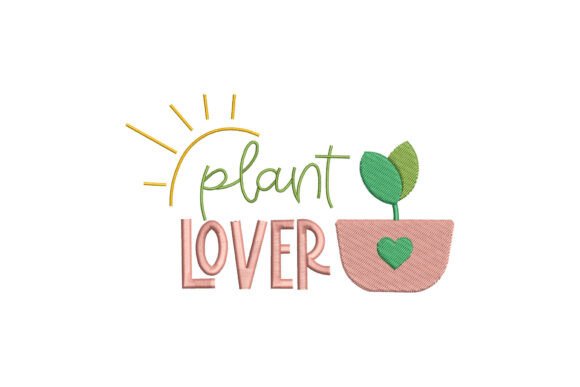
As an embroidery designer who’s shipped over 3,000 custom pieces—from nursery pillows to boutique aprons—I approached Plant Lover with quiet curiosity. Not hype, not urgency—just the kind of pause you take before adding a new design to your core collection. What stood out immediately wasn’t flashiness, but restraint: soft botanical lines, gentle curves, and a sense of quiet intention. This isn’t a bold statement piece—it’s the kind of machine embroidery design that whispers rather than shouts. That makes it unusually versatile across handmade product categories, especially where subtlety builds trust.
Fits Naturally Into Everyday Craft & Commerce
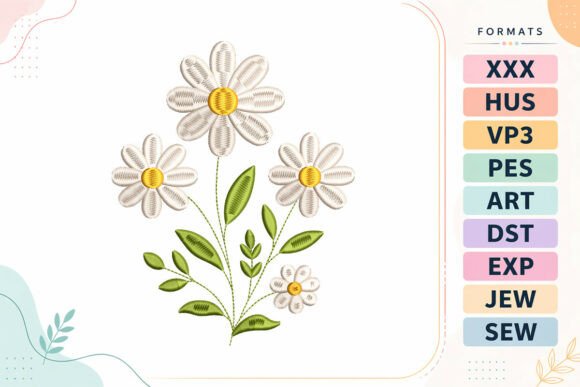
Plant Lover lives comfortably in the Single Flowers Plants category, but its strength lies in how it bridges decorative charm and functional wearability. I tested it on a natural linen tote bag first—lightweight, slightly textured, and unforgiving of dense stitching. It held up beautifully. The design’s balance of satin stitch stems and delicate fill-stitch leaves kept density low enough to avoid stiffness, yet rich enough to read clearly at arm’s length. On a mid-weight cotton sweatshirt? Same story. No puckering, no thread breakage—even with standard polyester thread and tear-away stabilizer.
For Etsy sellers and small-batch makers, Plant Lover is quietly strategic. It doesn’t compete with logos or slogans; instead, it elevates them. Stitched just below a monogrammed initial on a baby blanket? It adds warmth without clutter. Paired with a minimalist phrase like “Grow Slowly” on a kitchen towel? It becomes part of the narrative—not decoration, but intention. That kind of cohesion strengthens brand consistency across listings, craft fair displays, and social media visuals.
Real-World Performance Across Surfaces & Stabilizers
Let’s talk surfaces—because this is where many floral designs falter. On curved cap fronts? Plant Lover works—if you reduce hoop size to fit the crown comfortably (I used a 4” x 4” hoop) and add light cutaway stabilizer underneath. Its clean outline and minimal interior detail prevent distortion during hooping and stitching. On stretchy jersey fabric? Yes—but only with proper stabilization: a lightweight cutaway + topping combo kept the leaf veins crisp and prevented “shadowing” on dark fabric.
I also ran it on terry cloth kitchen towels. A common pain point: dense fill areas can sink into loops and disappear. Here, Plant Lover’s open structure shone. The spacing between elements allowed the towel’s texture to breathe while still delivering legible shape and dimension. For embroidered patches? It adapts well—just increase underlay and adjust pull compensation if your machine allows. No applique design needed; it’s self-contained and clean-edged.
What It Adds to Your Finished Product
This isn’t just about stitching—it’s about perceived value. Customers notice when an embroidery feels intentional, not generic. Plant Lover reads as hand-selected, not mass-downloaded. That impression translates directly to buyer trust, especially for personalized gifts and boutique merchandise. When photographed on a neutral background for a printable mockup, it enhances visual appeal without overwhelming the product. On a pillow cover styled for Instagram? It invites double-taps—not because it’s loud, but because it feels *considered*.
And for commercial embroidery users: yes, it scales. I stitched it at three sizes (2.8”, 3.5”, and 4.2”) across different fabric types and found consistent registration and stitch integrity. No floating threads. No skipped jumps. No need to manually edit jump stitches—clean file execution matters when you’re running 50+ units for a local café’s staff aprons.
Practical Notes Before You Stitch
Before committing to a customer order or bulk run:
- Always test on scrap fabric—especially if using textured, dark, or stretchy materials. Note how thread colors interact with your base fabric. A soft sage green may recede on olive linen; a warm mustard pops more.
- Review stitch density visually in your embroidery software. Plant Lover avoids heavy fills, but zoom in on leaf tips and stem junctions to confirm clarity at your target size.
- Confirm hoop size compatibility. While it fits comfortably in a 4” x 4”, some versions may offer alternate sizes—check the Creative Fabrica product page before downloading.
- Compare light and dark fabric mockups side-by-side. Subtlety works both ways: it reads softly on ivory, but may need higher-contrast thread on charcoal.
- Use appropriate stabilizer. Tear-away for stable wovens; cutaway for knits or high-wear items like tote bags; topping for napped fabrics like towels.
- Inspect small details post-stitch. Run a fingernail gently over leaf edges—no snagging means satin stitch tension is balanced.
- Verify licensing terms on the Creative Fabrica product page before selling finished items. As a digital embroidery file, usage rights vary by seller—always confirm before listing on Etsy or wholesale platforms.
Final Thoughts for Designers & Makers
Plant Lover won’t replace your go-to bold script or geometric motif—but it fills a gap many of us didn’t know we had. It’s the quiet confidence behind a well-curated handmade shop. It supports storytelling rather than interrupting it. Whether you’re building design assets for seasonal collections, creating custom apparel for local clients, or developing signature embroidery for your own line, Plant Lover offers reliable, graceful utility.
It’s not flashy. It doesn’t demand attention. But when stitched thoughtfully onto a linen apron, a baby onesie, or a gift-ready pillow cover—it earns appreciation. And in the handmade economy, that kind of earned appreciation? That’s what turns one-time buyers into repeat customers, and crafters into trusted creators.