Decorative Floral Embroidery
A Thoughtful, Handmade Touch for Meaningful Gifts
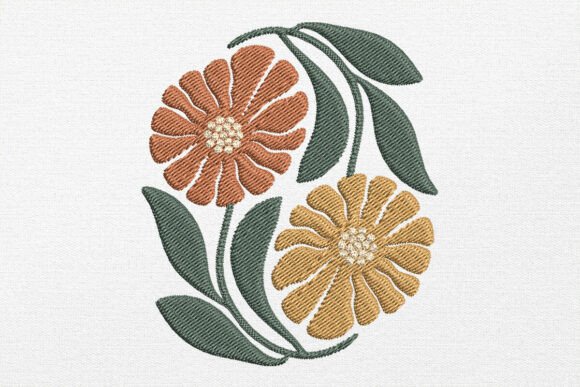
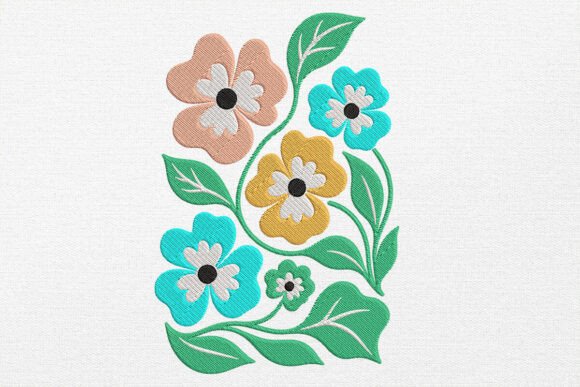
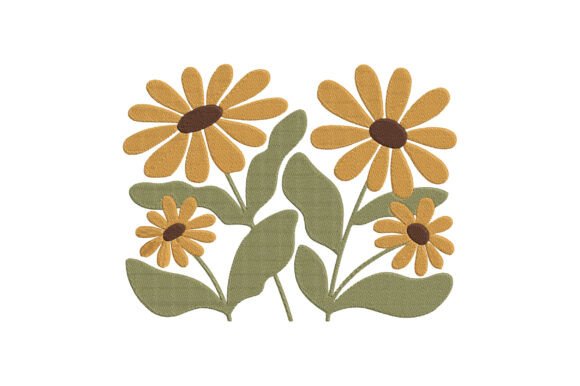
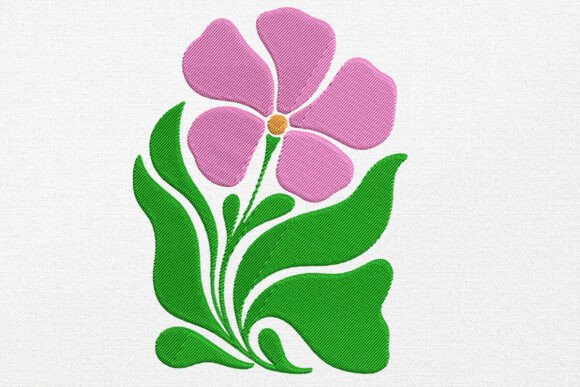
As an embroidery designer who’s stitched over 300 custom orders—from baby blankets to wedding towel sets—I opened Decorative Floral Embroidery with quiet anticipation. What greeted me wasn’t just another floral motif—it was softness in motion: delicate wildflowers arranged with breathing space, clean line work, and a gentle boho rhythm that feels both timeless and quietly modern. There’s no visual clutter, no forced symmetry—just elegant minimalism that invites the hand, not overwhelms it. It doesn’t shout; it lingers. That emotional resonance is rare—and invaluable when you’re creating personalized gifts meant to be held, gifted, and kept.
Where This Design Truly Shines
Decorative Floral Embroidery isn’t one-note. Its minimalist wildflower composition adapts beautifully across contexts—especially where meaning matters most:
- Baby embroidery: Gentle enough for nursery wall art or a monogrammed onesie; its open design avoids bulk on delicate cotton interlock.
- Wedding gift: Stitched onto linen towels or velvet pillow covers, it becomes a quiet heirloom—softly romantic without cliché, fitting seamlessly into the Wedding Flowers category while standing apart from traditional bouquets.
- Family keepsakes: Paired with a handwritten name or date, it transforms a simple blanket or quilt square into a tactile memory.
- Nursery decor & home goods: Works flawlessly on organic cotton swaddles, muslin bags, and lightweight aprons—fabrics where dense fill stitches would stiffen the drape.
- Etsy seller essentials: As a small shop product, it photographs beautifully against natural light and textured backdrops—ideal for printable mockups that convert browsers into buyers.
Practical Considerations for Real-World Stitching
This isn’t just about aesthetics—it’s about execution. Here’s what I observed stitching Decorative Floral Embroidery on varied substrates:
- Fabric texture matters: On textured towels or loosely woven linen, I used medium-weight cutaway stabilizer—not just tear-away—to prevent puckering around slender stems and petal outlines. The design’s elegance depends on clean edges.
- Thread colors elevate intention: The minimalist style means thread choice carries emotional weight. A muted sage green + dusty rose combo reads earthy and calm; navy + cream leans modern and refined. Always compare thread colors against your final fabric—not your screen.
- Small details hold big impact: While not overly dense, the design includes fine line-art elements (like vine tendrils and single-stem outlines) that benefit from a test stitch-out. I recommend checking those after stitching—especially if embroidering on stretchy baby knits or thick fleece blankets.
- Dark fabric? Prioritize contrast: On charcoal or navy fabrics, avoid pale pastels unless you add a subtle satin underlay. A crisp white or ivory thread anchors the wildflower shape without losing delicacy.
Why Customers Trust—and Remember—This Kind of Embroidery
When a customer unwraps a handmade product featuring Decorative Floral Embroidery, they don’t just see stitching—they feel care. The open negative space, intentional line weight, and botanical authenticity signal intentionality. That translates directly to perceived quality: no rushed fills, no pixelated edges, no visual fatigue. For Etsy sellers and small business owners, this elevates your brand narrative instantly. It tells your buyer: *This wasn’t mass-produced. It was chosen, tested, and stitched with attention.* And in a crowded handmade market, that distinction builds loyalty.
Photographing finished pieces becomes intuitive too—the design’s balance ensures clean composition whether styled flat on marble or draped over a wooden chair. No need to hide awkward density or cover up stray jump stitches. Just light, fabric, and quiet beauty.
Smart Next Steps Before You Stitch
Before adding Decorative Floral Embroidery to your next batch of personalized gifts, take these practical steps:
- Create a test stitch-out on your target fabric—even if it’s scrap. Watch how stems flow over seams or hems.
- Confirm hoop size and stitch density by reviewing the file details on Creative Fabrica. Minimalist doesn’t always mean low-stitch-count—some line-art styles use precise underlay for definition.
- Match stabilizer to end use: Cutaway for heirloom items (blankets, pillow covers), lightweight tear-away for temporary hoop art or paper-based embroidery cards.
- Check licensing terms on Creative Fabrica before selling finished products. As a commercial embroidery user, clarity here protects your small shop—and your reputation.
- Pair thoughtfully: Let the design breathe. Avoid overcrowding with text or secondary motifs unless you’ve tested layering. Its strength lies in simplicity.
A Design That Grows With Your Craft
Decorative Floral Embroidery is more than a machine embroidery design—it’s a versatile storytelling tool. Whether you’re stitching a baby’s first name beside a single bloom, framing a wedding date within looping vines, or branding a set of artisanal tote bags for craft fairs, it adapts without compromising integrity. It honors the handmade product ethos: thoughtful, unhurried, emotionally grounded. For embroidery crafters, Etsy sellers, and wedding gift creators alike, it’s the kind of Creative Fabrica embroidery file that earns repeat use—not because it’s trendy, but because it feels true. And in the world of personalized gifts, truth wears well, washes gently, and stays cherished long after the occasion passes.