Lavender Flower Embroidery
First Impression: Soft, Elegant, and Instantly Recognizable
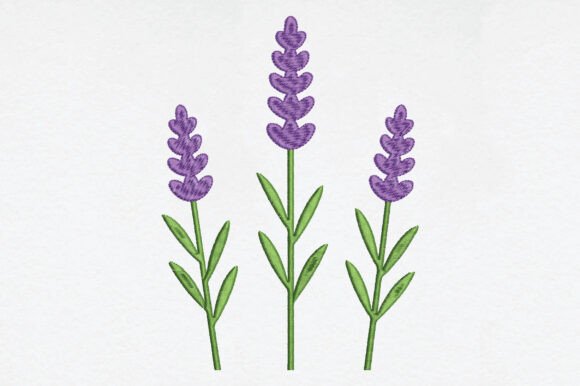
As an embroidery designer who’s prepped over 200 craft fair booths—and shipped thousands of finished products—I’ll say it plainly: Lavender Flower Embroidery lands with quiet confidence. It’s not loud or trendy; it’s soft, elegant, and deeply intentional. The phrase “delicate stems and soft purple blooms” tells me this isn’t a cartoonish floral—it’s refined enough for wedding flowers, grounded enough for farmhouse aprons, and versatile enough to feel modern on a minimalist tote bag. Customers don’t need to read the label to understand its mood: calm, natural, handmade with care.
Where Lavender Flower Embroidery Shines in Real Booth Displays
In my booth setup—featuring embroidered tote bags, tea towels, linen pouches, denim caps, and pillow covers—Lavender Flower Embroidery performs strongest where subtlety meets sophistication:
- Tote bag design: Centered on the front panel of a natural canvas or oatmeal linen tote, it reads as premium—not busy. Perfect for shoppers who avoid “cute overload.”
- Apron embroidery: Placed just above the pocket on a dark denim or charcoal linen apron, the soft purple blooms pop without competing with utility.
- Tea towel embroidery: A single stem near the corner (not centered) keeps it graceful and functional—no risk of thread snagging on cabinet edges.
- Embroidered patch: At 2.5–3 inches wide, it holds detail beautifully and transfers cleanly onto jackets, backpacks, or market bags.
- Pillow cover & small pouch: These are Lavender Flower Embroidery’s sweet spots—small-scale, high-perceived-value items where clean stitch details elevate handmade quality instantly.
What Works Online—and What Needs Extra Care
For Etsy sellers and digital embroidery file shops, Lavender Flower Embroidery photographs exceptionally well—especially on light fabric with soft shadowing. Its gentle contrast and open negative space translate clearly in printable mockups and listing thumbnails. That said, it’s not “foolproof”: tiny bloom centers or fine stem lines can blur on low-res previews or when scaled below 1.75 inches. Always include at least one real-life photo of the finished product—not just a digital mockup—to build trust.
It’s also highly repeatable for batch production. Unlike dense, fill-heavy designs, Lavender Flower Embroidery balances satin stitches with strategic running and stem stitches—keeping stitch density moderate and hoop time consistent across dozens of units.
Careful-Use Notes Every Embroiderer Should Know
This is where experience matters. Even elegant designs trip up on execution if you skip testing:
- Dense stitch areas: Bloom clusters may require medium-weight cutaway stabilizer on lightweight fabrics—especially for tea towel embroidery, where fabric texture can distort fine lines.
- Curved surfaces: On caps or pouches, test hoop placement first. Stems that bend naturally on flat fabric can pucker or stretch awkwardly on curves.
- Dark fabric: Soft purple thread may recede on navy or black unless you use a slightly brighter lavender or add subtle white outline stitching—check your thread colors before finalizing.
- Small sizes: Avoid scaling below 1.5 inches. Tiny buds lose definition, and delicate stems risk breakage or skipped stitches on home machines.
- Textured towels: Terry cloth demands extra stabilizer and slower machine speed—don’t assume your standard tea towel embroidery settings will carry over seamlessly.
How Lavender Flower Embroidery Builds Your Brand—Not Just Your Booth
At craft fairs, customers don’t just buy a product—they buy a feeling, a story, a sense of alignment. Lavender Flower Embroidery quietly reinforces brand values: thoughtfulness, nature connection, and refined craftsmanship. When grouped with other botanical or neutral-toned designs, it strengthens visual cohesion across your small shop product line. On a crowded table, it draws attention through calm—not clutter. Buyers pause longer. They ask, “Is this hand-drawn?” “Do you do custom colors?” That’s engagement you can’t force with louder graphics.
And because it bridges categories—wedding flowers, home decor, everyday accessories—it helps you cross-sell: a lavender-embroidered pouch pairs naturally with a matching tea towel, then a gift-ready pillow cover. That’s how a single embroidery file becomes a full collection.
Practical Designer Notes Before You Stitch
Before cutting your first production run, do these six things:
- Test the Lavender Flower Embroidery machine embroidery design on scrap fabric that matches your final product—same weight, same weave, same dye lot.
- Check thread contrast under natural light *and* booth lighting. Purple threads behave differently on oatmeal vs. ivory linen.
- Review spacing between blooms and stems—if stems tuck too tightly under leaves, they’ll vanish on textured fabric.
- Confirm your hoop size fits comfortably on your target product (e.g., a 4x4 hoop works for most patches, but a 5x7 gives breathing room for tote bag designs).
- Inspect stitch density in the bloom centers—over-stitched areas trap moisture and stiffen fabric, especially on tea towels.
- Create at least one physical mockup using your exact fabric, thread, and stabilizer—then photograph it in your actual booth lighting.
Lastly: verify commercial embroidery rights. If you’re selling finished products (not just the digital embroidery file), ensure your license permits physical resale—especially important for Etsy sellers and boutique makers distributing to local shops.
Final Thought: A Design That Sells Because It Feels True
Lavender Flower Embroidery doesn’t shout. It invites. In a market saturated with novelty, it stands out by being deeply, authentically itself—soft but strong, simple but detailed, nature-inspired but never cliché. For craft fair sellers, handmade product creators, and embroidery business owners, it’s more than a design asset. It’s a quiet signature—one that builds trust, supports repeat buyers, and turns casual browsers into loyal fans. Just remember: elegance lives in the execution. Test, refine, and let the blooms speak for themselves.