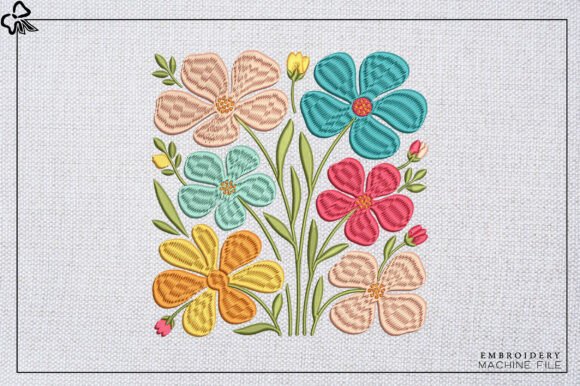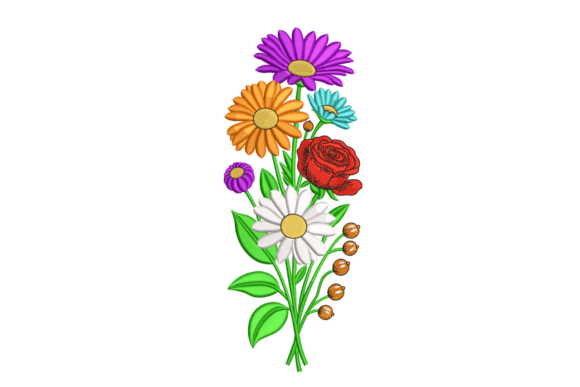
Wildflower Bouquet Stripe – Colorful
A Craft Fair Designer’s First Look: Does It Stop Booth Traffic?
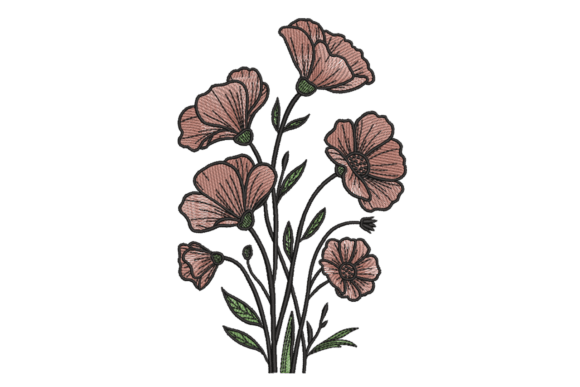
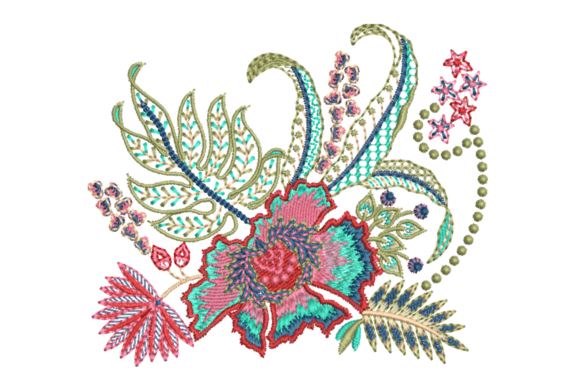
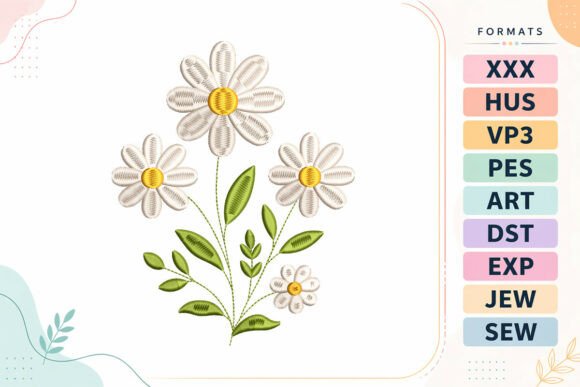
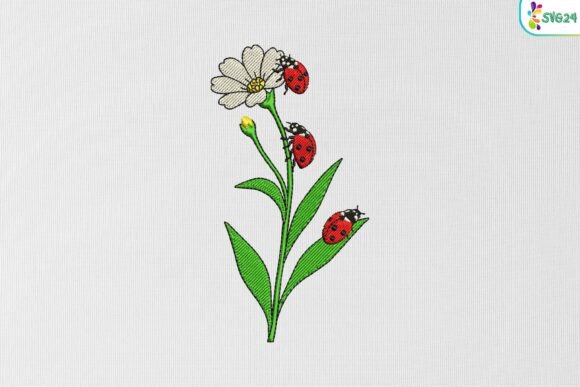
As someone who’s stitched over 300 craft fair seasons—and curated embroidery designs for Etsy sellers, boutique makers, and small shop owners—I opened Wildflower Bouquet Stripe – Colorful with one question: Will this make someone pause mid-aisle, point, and say “I need that on my tote bag”? The answer is yes—but only when placed intentionally. This design reads as cheerful, modern-farmhouse with a lively botanical rhythm. It’s not dainty or minimalist; it’s generous in color and movement, leaning into joyful abundance without clutter. That makes it ideal for handmade markets where shoppers seek warmth, personality, and visible craftsmanship—not sterile perfection.
Where Wildflower Bouquet Stripe – Colorful Shines (and Where It Fades)
On tote bag designs, it sings—especially centered on medium-weight canvas or linen-cotton blends. The stripe layout naturally follows the bag’s vertical flow, and the wildflower motif feels intentional, not slapped-on. As an apron embroidery, it works beautifully across the waistband or pocket flap, adding charm without overwhelming function. For tea towel embroidery, go large: place it near the top third of a 28" towel to let stems and petals breathe against the fabric’s texture. Avoid tight corners or narrow hems—it needs room.
Embroidered patches are where Wildflower Bouquet Stripe – Colorful becomes versatile inventory: stitch it onto twill, denim, or organic cotton, then sell as standalone accessories or pre-applied to market bags and pouches. As a pillow cover design, it anchors solid-color linen or oatmeal-weave fabrics with grounded vibrancy. On curved surfaces like caps, test first—the stripe’s linear rhythm can distort; best used on flat front panels only.
Real-World Production Notes Every Embroiderer Should Check
This isn’t a “load-and-go” file. Wildflower Bouquet Stripe – Colorful carries thoughtful detail, but also real production considerations:
- Stitch density matters. Dense floral clusters may require medium-weight cutaway stabilizer—especially on knits or textured towels. Skip lightweight tear-away here; it won’t hold up under dense fills.
- Thread colors must pop. Review your thread palette against fabric swatches. On dark fabric, light-toned blossoms risk disappearing—confirm contrast before batching.
- Hoop size & spacing are non-negotiable. If your machine requires re-hooping mid-design, check where breaks fall. A seam crossing the bouquet line kills continuity. Confirm hoop compatibility before cutting production runs.
- Small details don’t scale down. At under 3" tall, delicate stems and layered petals blur. Use Wildflower Bouquet Stripe – Colorful at 4.5" wide minimum for clear definition on patches or pouches.
Photography, Listings, and Online Conversion
This design photographs exceptionally well—if you shoot on natural light with clean, neutral backdrops. Its color variety gives Etsy sellers rich visual hooks: no single filter flattens it, and printable mockups show depth without retouching. For digital sellers, bundle it with lifestyle shots—a linen apron draped over a wooden chair, a market bag slung over a woven basket. That context sells the feeling, not just the stitch.
As a commercial embroidery asset, it strengthens brand consistency across product lines. Imagine matching tea towels, pillow covers, and embroidered patches—all unified by the same stripe rhythm. That cohesion builds trust at craft fairs, where buyers scan booths in seconds. When your table features three products using Wildflower Bouquet Stripe – Colorful in complementary scales and placements, customers subconsciously register quality and intention.
What Makes It a Smart Craft Fair Investment?
It bridges categories. Buyers who love Single Flowers Plants embroidery often seek freshness—not repetition. This isn’t a generic rose or tulip; it’s a curated, untamed mix (daisies, cosmos, Queen Anne’s lace) that feels personal and seasonal. That resonates with conscious shoppers who value botanical authenticity over cliché.
It also supports smart pricing. Because it reads as premium handwork—not mass-printed—it justifies higher margins on finished products. A $38 embroidered market bag feels justified next to a $24 screen-printed one, especially when the stitching shows clean tension, balanced fill, and intentional color layering.
Critical Pre-Production Steps (No Exceptions)
Before stitching your first customer-ready piece:
- Run a test on scrap fabric matching your final product’s weight and weave.
- Check thread contrast on both light and dark fabric samples.
- Review spacing between blooms—tight gaps may cause thread nesting; wide ones weaken visual rhythm.
- Confirm hoop size fits your machine and your largest intended product (e.g., full-towel coverage).
- Inspect stitch density in petal centers—over-stitched areas heat up and pucker.
- Use appropriate stabilizer: cutaway for stretchy or textured fabrics, tear-away only for stable wovens.
- Create at least one physical mockup—not just a digital preview. Light, angle, and fabric drape change everything.
- Compare how Wildflower Bouquet Stripe – Colorful looks on multiple fabric colors. Mint linen vs. oatmeal canvas vs. navy denim changes mood entirely.
- Verify commercial licensing status. If selling finished products, ensure your digital embroidery file includes rights for handmade product resale—not just personal use.
The Bottom Line for Sellers
Wildflower Bouquet Stripe – Colorful isn’t background noise. It’s a conversation starter, a booth anchor, and a repeatable craft fair product that balances artistry with wearability. It performs strongest when treated as a design system—not a one-off. Use it boldly on totes and aprons, thoughtfully on tea towels and patches, and always with attention to fabric, stabilizer, and scale. Done right, it doesn’t just sell. It invites customers into your world—and brings them back for more.